
Bali remains a photographer’s dream in 2026 — from dramatic cliffs and rice terraces to quiet coastal coves and vibrant temple ceremonies. This guide highlights the most photo-worthy spots on the island, practical tips to get the shot, and smart logistics so you spend more time composing and less time guessing. For flexible, on-the-ground mobility to reach golden viewpoints and hidden lanes, consider trusted local options such as Bali Scooter Rental No.1 Scooter & Motorbike Hire in Bali to move efficiently between locations.
How to use this guide
-
Read the quick tips at the start of each section for the best time of day and camera settings.
-
Use the recommended routes and safety notes to plan efficient photo days.
-
Follow the cultural etiquette reminders when photographing people, ceremonies, or sacred sites.
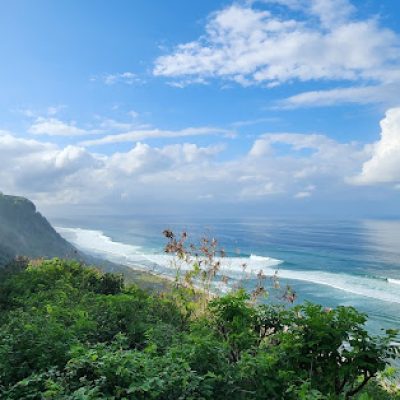
1. Uluwatu Cliffs — dramatic sunsets and cliffside silhouettes
Why go: Uluwatu’s sheer limestone cliffs and the iconic Kecak dance at sunset create strong silhouettes and warm light that work for wide-angle and portrait shots.
Quick tips:
-
Best time: 60–90 minutes before sunset through golden hour.
-
Gear: Wide-angle lens (16–35mm) for cliffs; 50mm or 85mm for portrait silhouettes.
-
Composition idea: Frame temple roofs or dancers against the sky; include foreground rocks for depth.
Logistics & safety: Arrive early to claim a good viewpoint; watch for strong winds and keep gear secure near edges.
2. Tegalalang & Ubud Rice Terraces — layered green textures
Why go: Tegalalang offers classic terrace lines and layered perspectives that are ideal for drone shots and panorama stitching.
Quick tips:
-
Best time: Early morning for mist and soft light; late afternoon for warmer tones.
-
Gear: Polarizer to reduce glare, telephoto for compressed lines, tripod for panoramas.
-
Composition idea: Use leading lines of terraces and include a local farmer or traditional hut for scale.
Respect: Stick to marked paths and ask before photographing people working in fields.
3. Nusa Penida — Kelingking, Broken Beach, and dramatic coastlines
Why go: Nusa Penida’s rugged cliffs and turquoise coves are postcard-perfect and photograph well from viewpoints and boats.
Quick tips:
-
Best time: Morning light for Kelingking to avoid harsh midday shadows; sunset at Broken Beach can be dramatic.
-
Gear: Wide-angle for cliffs; neutral density filter for long exposures of waves.
-
Composition idea: Shoot from the upper viewpoint for scale; use slow shutter to smooth surf.
Logistics: Book a reliable boat and plan for bumpy transfers; footwear and fitness needed for steep viewpoint trails.
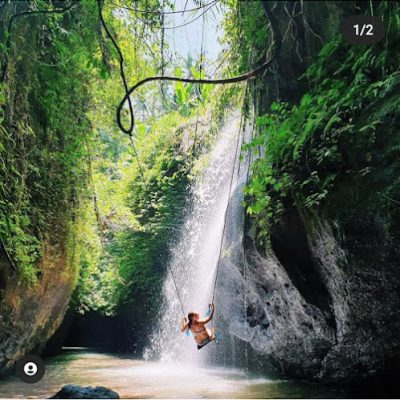
4. Tukad Cepung & Waterfall Caverns — beams of light and hidden falls
Why go: Light filtering through canyon openings creates cinematic beams over the waterfall — a unique and moody shot.
Quick tips:
-
Best time: Mid-morning when sun angles create strong light beams.
-
Gear: Fast lens (f/2.8) for low light, tripod for longer exposures, waterproof protection for gear.
-
Composition idea: Frame the beam to lead the eye toward the waterfall; include a small human figure for scale.
Access: Trails can be slippery — wear appropriate shoes and protect gear from spray.
5. Campuhan Ridge Walk — minimalist sunrise panoramas
Why go: Gentle ridge lines and soft morning light make for peaceful, minimalist frames that work well for travel and lifestyle photography.
Quick tips:
-
Best time: Sunrise for soft pastels and empty paths.
-
Gear: Prime lens (35mm/50mm) for natural-looking portraits; use a small tripod for steady shots.
-
Composition idea: Use the winding path as a leading line; shoot low to emphasize foreground textures.
Crowds: Go early to avoid walkers and get clean frames.
6. Amed & East Coast — underwater color and volcanic backdrops
Why go: The east coast’s black-sand beaches and clear snorkeling sites offer vibrant underwater shots and moody coastal portraits.
Quick tips:
-
Best time: Early morning for calm seas; golden hour for shore portraits.
-
Gear: Underwater housing for action shots; wide-angle for reef scenes.
-
Composition idea: Include volcanic slopes in background for context; try split-level (over/under) shots if you have housing.
Safety: Reef conservation — avoid standing on coral and use reef-safe sunscreen.
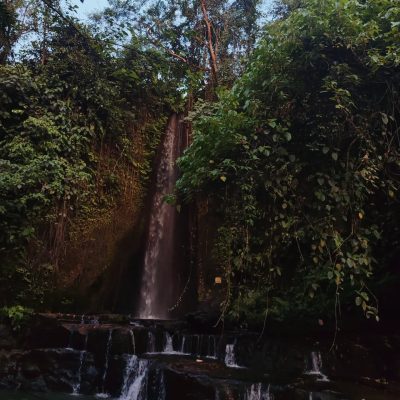
7. Munduk & Northern Highlands — waterfalls, mist, and spice gardens
Why go: Cooler air, dense foliage, and multiple waterfall options create layered, textural scenes perfect for moody landscape photography.
Quick tips:
-
Best time: Early morning for mist and stronger flows after light rain.
-
Gear: Tripod for long exposures, telephoto for compressed compositions, polarizer for foliage.
-
Composition idea: Combine foreground leaves with a long exposure waterfall to create depth.
Logistics: Roads may be narrow — plan transport and daylight return times.
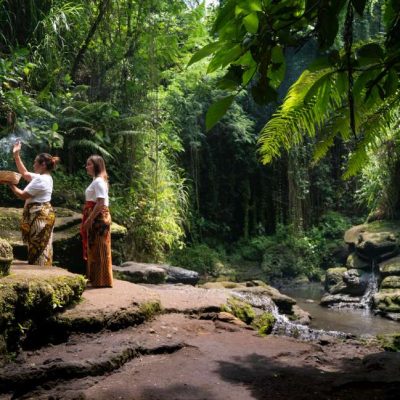
8. Candid Street Scenes — markets, cafés, and Balinese daily life
Why go: Canggu, Ubud markets, and local warungs provide rich opportunities for authentic cultural photography and storytelling.
Quick tips:
-
Best time: Morning market rush or late afternoon café light.
-
Gear: Small prime (35mm) for low profile, fast autofocus for candid moments.
-
Etiquette: Always ask permission before close-up portraits; offer to share photos if appropriate.
Photo day logistics & mobility tips
-
Route planning: Group spots by region (south, central, east, north) to reduce travel time and maximize light windows.
-
Mobility: For flexible, last-minute location changes and early starts, renting a well-maintained scooter is often the most efficient option — consider Bali Scooter Rental No.1 Scooter & Motorbike Hire in Bali for transparent rentals and helmet provision.
-
Charging & backups: Carry spare batteries and at least one fast memory card per shooting day; a portable charger is essential for longer outings.
-
Weather: Bali has microclimates — check local forecasts and plan alternate indoor or shaded locations if rain arrives.
Quick camera settings cheat-sheet (starting points)
-
Landscapes (golden hour): ISO 100–200, f/8–f/11, shutter speed variable (use tripod).
-
Waterfalls: ISO 100, f/11–f/16, shutter 1/4s–2s for smooth flow (use ND filter as needed).
-
Portraits (golden hour): ISO 100–400, f/1.8–f/4, shutter 1/125s+.
-
Action/Surf: ISO 200–800, f/4–f8, shutter 1/1000s+.
Sample 3-day photo itinerary (efficient and focused)
-
Day 1 — South coastline: Morning at Uluwatu cliffs; late afternoon at Echo Beach/Canggu for surf action and beach portraits.
-
Day 2 — Ubud & Tegalalang: Sunrise at Campuhan Ridge, mid-morning at Tegalalang, evening cultural shots in Ubud.
-
Day 3 — East or Nusa Penida: Choose Amed for underwater and coastal shots or Nusa Penida for dramatic cliff vistas (allow full day).
Conclusion — shoot with intention, respect, and preparation
Bali in 2026 delivers a diverse palette of photographic opportunities: dramatic cliffs, serene rice terraces, hidden waterfalls, and candid cultural moments. With deliberate planning — grouping locations by region, protecting your gear, and moving smartly between spots — you can capture striking images while minimizing fatigue and environmental impact. For photographers who need flexible, reliable two-wheel mobility to reach dawn and dusk viewpoints, partnering with local providers such as Bali Scooter Rental No.1 Scooter & Motorbike Hire in Bali can be a practical part of your kit list.